
THE KINGFISHER INN CRISIS: A DETAILED EXAMINATION OF STRUCTURAL CONCERNS AND THE ROAD TO REPAIR
Lance Luke
5/3/20245 min read
Introduction: A Troubling Discovery
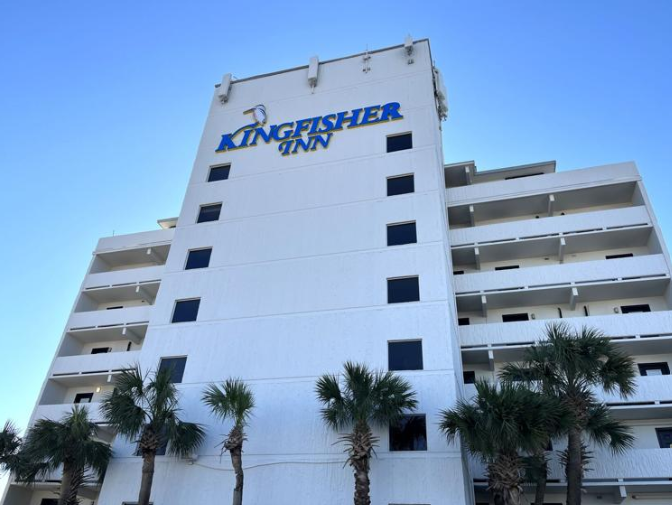
In late March 2024, the tranquil atmosphere of Garden City, South Carolina, was disrupted by urgent structural concerns at the Kingfisher Inn, a popular hotel converted into condominiums. This incident marks a significant event not only for the local community but also highlights a larger issue facing aging coastal structures subjected to harsh environmental conditions. This blog delves into the unfolding situation at the Kingfisher Inn, from the initial discovery of the problem to the extensive repairs required and the reactions from owners and guests.
Initial Concerns and Immediate Response
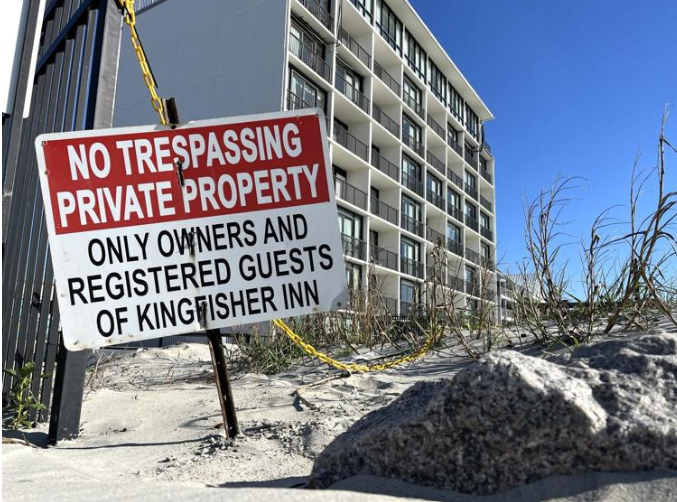
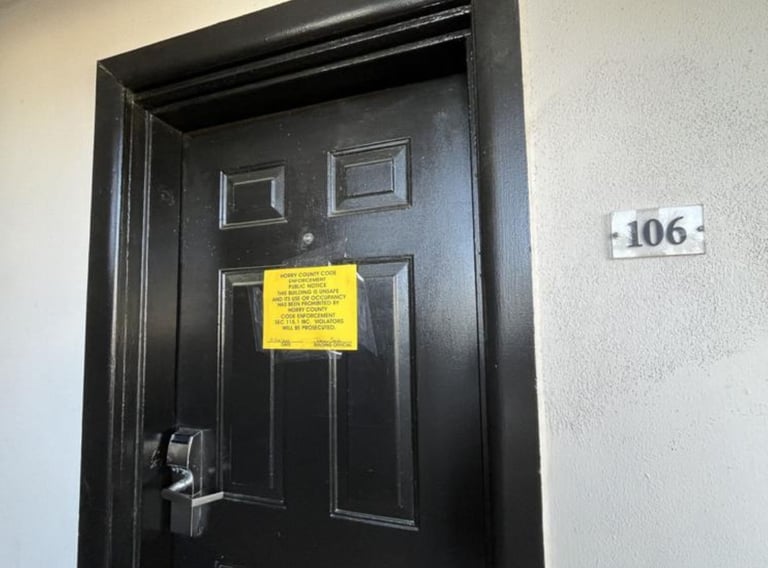
The crisis began on March 28, 2024, when an engineer overseeing the Kingfisher Inn's exterior projects since 2021 noticed severe issues during a routine inspection. The engineer’s concerns, unspecified in the initial reports, were serious enough to warrant an immediate evacuation of the building and a temporary closure. This precautionary step was intended to prevent any potential harm to the hotel’s residents and guests.
Diverse Reactions from the Community and Stakeholders
The response from the condo owners and the broader community to the hotel’s closure and the announcement of extensive necessary repairs was mixed. Long-time stakeholders like Judi Deimling, who has been associated with the Kingfisher Inn since the 1990s, showed understanding and support for the measures taken, emphasizing the importance of safety over convenience. In contrast, other owners and guests expressed frustration and concern over the financial and emotional toll the closure and repairs were causing. Kimberly and Jason Getz, regular guests at the Inn, were particularly outspoken about the disruptions to their plans and the lack of clear communication regarding financial reimbursements for the inconveniences and cancellations caused by the structural issues.
Effective Communication and Immediate Measures
In the wake of the sudden evacuation of the Kingfisher Inn due to significant structural concerns identified by an engineer, the hotel management acted swiftly to ensure the safety and inform all stakeholders involved. Guests and condo owners were promptly contacted, highlighting the management's dedication to transparency and safety in this urgent situation. Initial plans were quickly put in place for a meeting with Horry County officials and the engineer to thoroughly discuss the identified issues and plan out the necessary steps for remediation. However, given the complex nature of the structural problems identified, this crucial meeting was rescheduled from April 1 to April 2, allowing for more comprehensive preparation and ensuring all pertinent information and stakeholders were ready to contribute effectively.
Engineering Challenges Unveiled
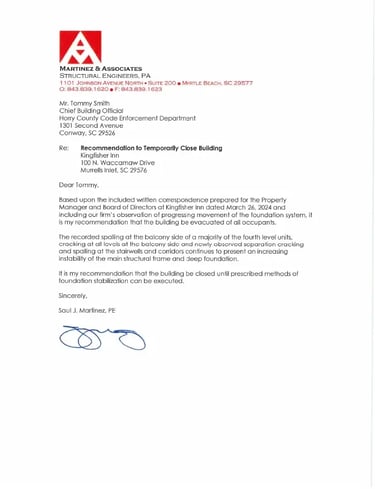
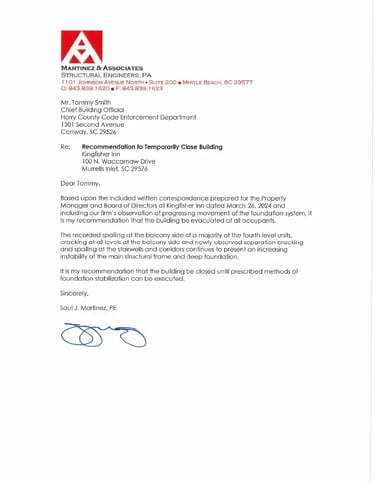
In the discussions that followed, it was revealed that the building required "intrusive repairs," with problems more severe than initially anticipated. Saul Martinez, a local engineer, pointed out that the foundation depth of the building was only 40 feet—half of what is now recommended for coastal buildings, which typically should have foundations up to 80 feet deep to withstand the corrosive seaside environment and potential storm surges.
Proactive County Involvement and Local Concerns
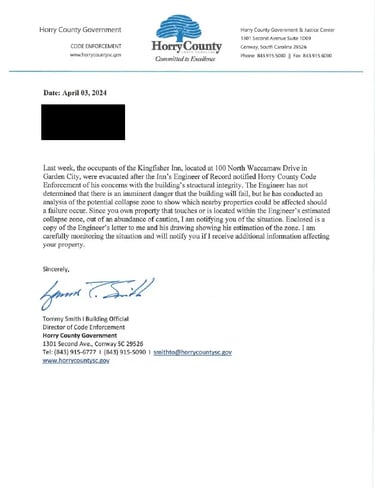
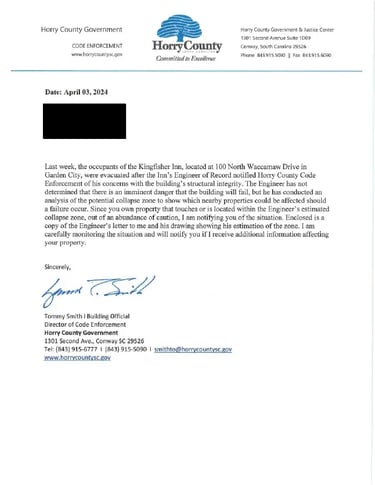
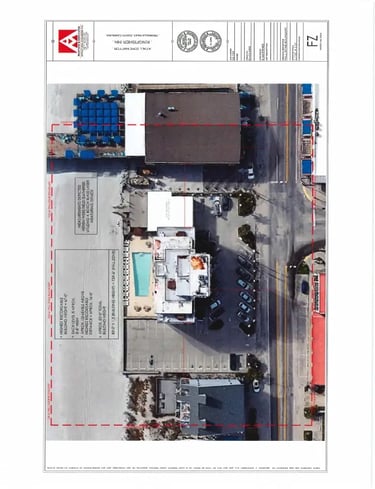
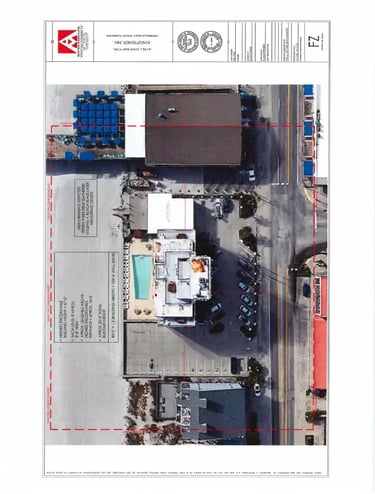
Adding to the complexity of the situation, Horry County’s proactive measures were evident through their immediate response and the communication from Tommy Smith, the Director of Code Enforcement. Smith issued a letter to property owners within the "potential collapse zone" around the Kingfisher Inn, detailing that while there was no immediate threat of collapse, the potential risk areas had been analyzed and identified. This preemptive communication was intended to prepare and inform those potentially affected by any structural failure. The community's reaction to this news was varied: Jasmine Lash from Eagles Beachwear, located just outside the designated zone, voiced concerns about not being directly informed, reflecting the anxiety permeating neighboring businesses. On a lighter note, Willy Browne, a resident engineer living in the adjacent Sand Dollar Complex who did receive the letter, commented humorously on the situation but acknowledged potential risks, particularly during the hurricane season which could exacerbate the existing structural vulnerabilities. Here is the full letter made by Smith uncovered in WBMF News:
Financial and Logistical Strain
The Kingfisher Inn management disclosed to the property owners that the cost of the necessary repairs would exceed the hotel’s reserve funds. This financial strain added to the stress of the already frustrated condo owners and guests who had to cancel or alter their vacation plans. The hotel announced that it would likely remain closed through the summer and possibly into the fall, as detailed in an email to owners on April 4.
Community and Guest Reactions
The closure and the prospect of extensive repairs have led to mixed reactions among the condo owners and the local community. Some owners, like Judi Deimling, who has been with the Kingfisher Inn since the 1990s, expressed understanding towards the necessity of the repairs for safety. Others, however, voiced their frustration over the lack of transparency and immediate financial repercussions. Guests like Kimberly and Jason Getz were particularly vocal about the inconvenience and the lack of communication regarding refunds for prepaid fees.
Structural Integrity Concerns Across the Coast
The issues at the Kingfisher Inn are not isolated. A 2023 investigation by The Post & Courier highlighted that more than 500 tall buildings along the South Carolina coast are vulnerable to similar structural decays, exacerbated by the salty, humid oceanfront climate. This situation mirrors the tragic Champlain Towers collapse in Miami, underscoring a potentially widespread risk along the East Coast.
The Broader Implications
The ongoing situation at the Kingfisher Inn serves as a cautionary tale for other aging structures along coastal areas. It raises questions about the adequacy of current building codes and the maintenance practices of similar high-rise buildings, especially in hurricane-prone zones.
Conclusion: A Path Forward
As the Kingfisher Inn navigates through these turbulent times, the incident prompts a crucial dialogue on infrastructure resilience, the importance of regular and thorough inspections, and proactive maintenance. It also highlights the need for adequate reserve funds and insurance to manage such unforeseen events. The resolution of the Kingfisher Inn’s structural issues will not only restore a beloved local landmark but could also set a precedent for handling similar crises in coastal regions.
As this situation continues to evolve, updates will be crucial for all stakeholders involved. The Kingfisher Inn's commitment to transparency and regular communication will be key in maintaining trust and ensuring the safety and satisfaction of its owners and guests. This incident, while challenging, provides a critical learning opportunity for building management teams everywhere, reinforcing the need for diligence and foresight in building maintenance and crisis management.