
Rebuilding After a Wildfire: A Practical Guide
Lance Luke, Construction Manager
7/5/20265 min read
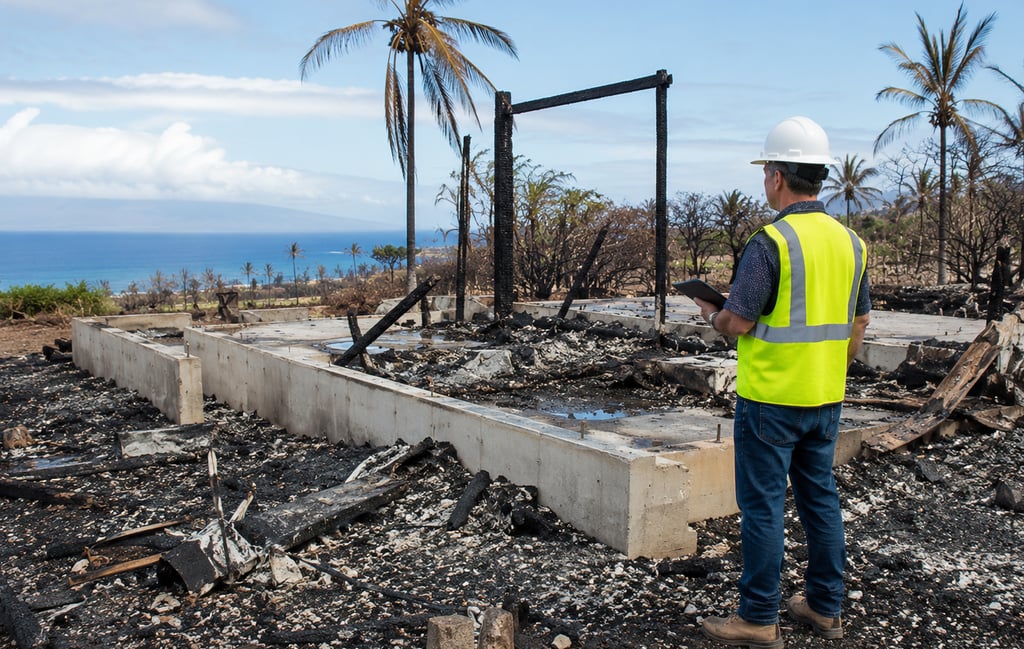
Wildfires leave behind more than visible destruction. For many homeowners, property managers, and communities, the rebuilding process can feel overwhelming. There are insurance matters to handle, safety concerns to address, permits to secure, and important decisions to make before any construction begins.
Rebuilding after a wildfire is not simply about replacing what was lost. It is an opportunity to rebuild safer, stronger, and more resilient.
The first step is safety. Property owners should not enter a burned structure or damaged site until it has been cleared by the proper authorities. Fire can weaken walls, foundations, roofs, stairs, and utility systems. Even if portions of the building appear to be standing, hidden damage may still exist. Ash pits, unstable debris, exposed nails, broken glass, and damaged electrical or gas systems can create serious risks.
Once the site is safe to access, documentation becomes very important. Take photos and videos of all visible damage before cleanup begins. Keep records of damaged building materials, personal property, structural components, and site conditions. This documentation may be useful for insurance claims, contractor estimates, engineering reviews, and future planning.
Before rebuilding, property owners should work with qualified professionals. A licensed contractor, structural engineer, architect, building consultant, or construction manager can help evaluate the condition of the site and determine what is needed before repairs or reconstruction begin. In some cases, the foundation may be reusable. In other cases, heat exposure, cracking, soil movement, or damaged connections may require additional evaluation.
Permitting is another important part of the process. After a major disaster, local building departments may have special procedures, updated requirements, or additional review steps. Homeowners should not assume that rebuilding can happen exactly as before. Setbacks, fire-resistant materials, utility upgrades, drainage requirements, and current building codes may affect the project.
A strong rebuilding plan should also include fire-resilient design. This may include fire-resistant roofing, noncombustible siding, ember-resistant vents, tempered glass windows, defensible space landscaping, and careful placement of decks, fences, and exterior materials. These improvements may help reduce future fire risk and protect both the home and surrounding properties.
Another common mistake is rushing the process. After a disaster, property owners naturally want to return to normal as quickly as possible. However, moving too fast can lead to poor decisions, incomplete inspections, weak contracts, or construction problems later. Take time to review contractor qualifications, written estimates, scope of work, insurance coverage, and project schedules.
Rebuilding after a wildfire requires patience, planning, and professional guidance. The goal is not only to replace a structure, but to create a safer and more durable building for the future.
For homeowners and property owners, the best approach is simple: document everything, inspect carefully, plan properly, and rebuild with resilience in mind.